
North Dakota DUI penalties correspond with the frequency and severity of the drunk driver’s previous offenses.
Summary
- In North Dakota, DUI penalties increase with repeat offenses within a 7-year period, ranging from fines and license suspensions for first offenses to imprisonment and high fines for fourth offenses.
- North Dakota DUI convictions can lead to employment barriers, housing discrimination, educational limitations, and restrictions on civil rights.
- DUI offenders may face supervised probation, 24/7 Sobriety Programs, and mandatory Chemical Dependency Evaluations to address alcohol misuse.
- A North Dakota DUI attorney can safeguard rights, build a strong defense, and potentially mitigate penalties for driving under the influence.
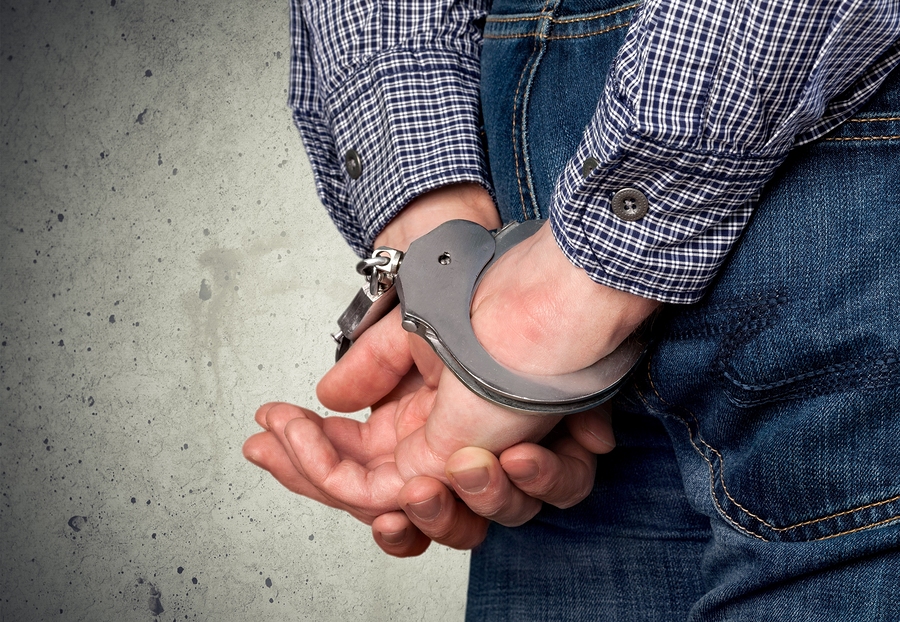
DUI (driving under the influence) and DWI (driving while intoxicated) offenses are serious because of the potentially life-threatening consequences. Therefore, North Dakota courts assess penalties on a tiered basis for DUI offenses.
This means that the level of punishment you could receive is dependent on how many offenses, specifically drinking-and-driving offenses, you have incurred in the past 7 years.
For instance, a first offense DUI in North Dakota is a class B misdemeanor that carries with it a minimum fine, a chemical dependency evaluation, potential jail time, and a suspension of your drivers license. The level of your BAC (Blood Alcohol Concentration) can also play a factor in the severity of your punishment.
If you have been charged with a DUI offense in North Dakota, contact an experienced DUI defense attorney. At Sand Law PLLC, we have the experience and determination required to effectively defend our clients against DUI charges. Contact Sand Law today online or by phone at (701) 609-1510.
First Offense DUI in North Dakota
A first-offense DUI in North Dakota is considered a Class B misdemeanor. The minimum fine for a first offense DUI is $500 for a BAC below .16 and $750 for a BAC of .16 or higher. Additionally, a BAC of .16 or above carries at least two days in jail.
Someone convicted of a DUI in North Dakota can have their driver license suspended. For a BAC below .18, the suspension period is 91 days. The license suspension is 180 days for DUI with a BAC of .18 or higher.
Second Offense DUI in North Dakota
A second DUI within a 7-year period carries a larger penalty under North Dakota DUI law. There is a mandatory minimum fine of $1,500 for a second offense DUI, which is a Class B misdemeanor.
Additionally, a person convicted of a second DUI offense faces a minimum of 10 days in jail, at least 360 days of 24/7 Sobriety Program, and a mandatory Chemical Dependency Evaluation.
Second DUI offenses bring a license suspension of 365 days if your BAC is below .18. However, for a BAC of .18 or higher, the suspension is 2 years.
Third Offense DUI in North Dakota
For a third DUI offense within 7 years, the charge is a Class A misdemeanor. Therefore, the fine is a minimum fine of $2,000 with a minimum jail sentence of 120 days.
People convicted of a third DUI offense in North Dakota must also serve at least 360 days of supervised probation and at least 360 days on the 24/7 Sobriety Program, and complete a mandatory Chemical Dependency Evaluation.
For a BAC below .18, the license suspension period is 2 years. However, if your BAC is .18 or greater, your license is suspended for 3 years.
Fourth Offense DUI in North Dakota
Finally, for a fourth and subsequent DUI offenses within a 15-year period, the charge is a Class C felony. This means that a person convicted faces a mandatory minimum of 1 year and 1-day imprisonment with a minimum fine of $2,000.
This level of offense also carries up to 5 years imprisonment and a $10,000 fine with a mandatory minimum of 2 years supervised probation. Participation in the 24/7 Sobriety Program is also required, as is completion of a Chemical Dependency Evaluation.
Other Possible Penalties
In addition to penalties listed above, a driver 21 or older found guilty of DUI with a minor in the vehicle commits a class A misdemeanor, with a $750 fine, at least two days in jail, and at least 360 days on the 24/7 Sobriety Program. A second offense is a class C felony with at least one year and one day in prison and a $2,000 fine.
By law, all North Dakota drivers must submit to a chemical test to detect BAC. Otherwise, a driver may have their license revoked for 180 days up to 3 years.
Long-Term Consequences of Having a Criminal Record in North Dakota
The ramifications of a criminal record extend far beyond the courthouse and jail time. North Dakota drivers carrying a criminal record for DUI often face numerous enduring challenges that affect their daily lives, impacting everything from employment opportunities to personal relationships.
Understanding these broader consequences is crucial in comprehending the full impact a criminal record can have on your future, as well as the necessity of hiring a North Dakota criminal defense attorney to defend you.
Employment Barriers
One of the most significant challenges for those with a criminal record is finding stable employment. Many employers conduct background checks and may be hesitant to hire someone with a criminal history, fearing potential risks or liability issues.
This bias can lead to limited job opportunities, lower lifetime earnings, and a cycle of economic instability.
Housing Discrimination
Securing housing can also become a daunting task for individuals with a criminal record. Landlords often use background checks as part of their screening process, and a past conviction can result in denied applications or restricted access to affordable housing.
This can force individuals into less desirable living conditions and contribute to housing insecurity.
Social Stigma
A criminal record often carries a social stigma that can affect personal relationships and community interactions. Individuals may experience judgment or exclusion from social groups, leading to feelings of isolation and decreased self-esteem. This social alienation can hinder rehabilitation efforts and personal growth.
Educational Limitations
Pursuing further education can be another hurdle. Some educational institutions have policies that limit or deny admission to applicants with a criminal record.
This barrier can restrict access to skill development and higher education opportunities, further compounding employment challenges and personal advancement.
Restrictions on Civil Rights
Beyond employment and education, a criminal record can also limit certain civil rights. In many states, individuals with a record may face restrictions on voting, serving on a jury, or obtaining professional licenses.
These limitations can reduce civic participation and contribute to a sense of disenfranchisement, impacting one’s ability to fully engage in society.
How to Protect Your Rights When Facing a DUI Charge
Facing a criminal charge is a daunting experience, but taking proactive steps can help protect your rights. The first imperative is to remain silent and avoid self-incrimination until you have legal representation. Anything you say can be used against you, so it’s crucial to exercise your right to remain silent.
Secondly, understand your right to legal counsel and insist on speaking to an attorney before answering any questions or making statements.
Working with an experienced North Dakota DUI attorney is vital in navigating the legal system. A seasoned lawyer will not only provide advice but also ensure that your rights are safeguarded throughout the legal proceedings.
They can analyze the details of your case, identify any violations of your rights, and build a robust defense strategy tailored to your situation. Additionally, your attorney can negotiate on your behalf, potentially reducing charges or securing a favorable plea deal.
Overall, by acting swiftly and securing a knowledgeable defense attorney, you increase your chances of a positive outcome while ensuring your rights are protected at every stage.
Contact a North Dakota DUI Lawyer for a Free Consultation
If you have been charged with a DUI offense, contact an experienced DUI defense attorney. The attorneys of Sand Law have a proven process to defend our clients against DUI charges. Contact Sand Law today online or by phone at (701) 609-1510.
Frequently Asked Questions
Can a criminal record for DUI be removed?
North Dakota does not expunge DUI convictions, but a court can seal a DUI record under N.D.C.C. § 39-08-01.6 if you have no new DUI or other criminal conviction within seven years of the DUI. Sealing hides the record from public view. Prosecutors can still use a sealed DUI as a prior offense, and commercial driver’s license holders cannot seal a DUI.
What is the process of removing a criminal record in North Dakota?
To seal a DUI record in North Dakota, you file a written petition in your DUI case with the municipal or district court that handled it, showing you meet the requirements of § 39-08-01.6. Other convictions are sealed by petition under chapter 12-60.1 after three years without a new conviction for a misdemeanor, or five years for a felony.
For non-DUI records, the court decides whether to grant sealing based on factors such as the individual’s rehabilitation and conduct since the conviction.
How can an ND criminal defense lawyer help?
A North Dakota criminal defense lawyer can offer guidance throughout the sealing process, ensuring all legal requirements are met. They can advocate on behalf of their clients, helping them present a compelling case for sealing.